Alivhea: A Serif Font That Brings Graceful Sophistication
There's a moment in every design project when the typography either clicks into place or feels slightly off. You've chosen your colors, arranged your layout, and selected your imagery, but the text still needs that final touch of personality. This is where a carefully crafted serif display font like Alivhea enters the picture—not as a background player, but as a defining element that shapes how your entire project is perceived.
What Makes Alivhea Stand Apart
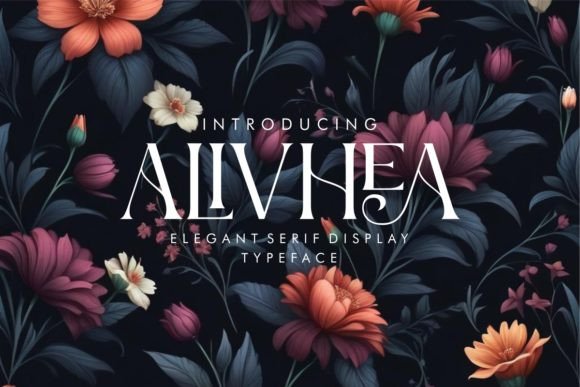
Alivhea is a serif display font that lives up to its name. With a graceful touch of elegance, this font adds beauty to any project. Perfect for headlines, logos, or anything that needs a touch of sophistication, Alivhea stands out with its charming and distinct style. Choose Alivhea for a beautiful and eye-catching typographic experience.
What distinguishes Alivhea from dozens of other serif fonts available today? It walks the line between classic refinement and contemporary appeal. The letterforms carry the weight and structure of traditional serif typefaces, but the curves and details feel fresh. There's a warmth to the characters that prevents them from looking cold or overly formal, which makes this typeface surprisingly versatile across different creative contexts.
The serifs themselves are carefully balanced—not too heavy, not too delicate. This gives Alivhea a presence on the page without overwhelming surrounding design elements. The spacing and proportions feel intentional, which matters more than most people realize. A font with poor kerning or awkward letter relationships can quietly undermine an otherwise polished design.
Where This Font Truly Shines
Think about the projects where typography carries significant weight. A boutique bakery rebranding its packaging. A lifestyle blogger refreshing their website headers. A wedding planner designing custom invitations. A small business owner creating social media graphics that need to stop the scroll. In each of these scenarios, the choice of font communicates something specific about quality, taste, and attention to detail.
Alivhea works particularly well in these contexts because it reads as intentional rather than generic. When someone sees this typeface on a product label or a magazine cover, it doesn't disappear into the background. It contributes to the story the design is telling.
Here are some practical applications where this serif font excels:
- Logo design for brands that want to convey trust, elegance, or artisanal quality
- Packaging design for food products, cosmetics, candles, or specialty goods
- Editorial layouts including magazine headers, book covers, and newsletter mastheads
- Wedding and event invitations where sophistication matters
- Website headers and hero sections that need visual impact
- Social media graphics for Instagram, Pinterest, and promotional posts
- Print materials such as business cards, brochures, and posters
- Merchandise like tote bags, apparel, and stationery
- Digital products including e-books, worksheets, and course materials
- Marketing assets ranging from email headers to advertisement layouts
Building a Cohesive Brand Identity
One of the most overlooked aspects of brand building is typographic consistency. Many small business owners and creators switch between fonts constantly, which fragments their visual identity. When your Instagram post uses one style, your website uses another, and your packaging uses a third, your audience struggles to connect all the pieces into a recognizable brand.
Choosing a primary display font like Alivhea and using it consistently across your touchpoints creates a visual thread that ties everything together. Your logo, your headers, your social media quotes, and your printed materials all start speaking the same visual language. Over time, people begin to recognize your brand before they even read the words.
This kind of brand recognition doesn't happen by accident. It happens when you select a typeface with enough character to be memorable, yet enough versatility to work across different formats and sizes. A premium font with well-designed letterforms gives you that foundation.
Pairing Alivhea with Other Typefaces
No font works entirely alone. Even the most beautiful display typeface needs supporting players for body text, captions, and smaller interface elements. The key to successful font pairing is contrast without conflict.
Since Alivhea carries elegant serif characteristics, consider pairing it with a clean sans serif font for body copy. The contrast between a refined serif headline and a straightforward sans serif paragraph creates visual hierarchy naturally. Readers can immediately distinguish between primary messaging and supporting content.
A few pairing approaches worth testing:
- Alivhea with a geometric sans serif for a modern, balanced aesthetic suited to web design and digital products
- Alivhea with a humanist sans serif for a warmer, more approachable feel ideal for lifestyle brands and blogs
- Alivhea with a simple script or handwritten font for accent text in invitations, greeting cards, or social media graphics
Always test your pairings in context. A combination that looks appealing in a font preview might feel cluttered when applied to an actual layout with real content. Set your headlines, write your paragraphs, and evaluate the overall reading experience before committing.
Practical Considerations Before You Commit
Before integrating any new typeface into your workflow, a few practical steps can save time and prevent headaches down the road.
Review the full character set. Check that Alivhea includes all the glyphs you need—numbers, punctuation, accented characters, and any special symbols relevant to your projects. If you work in multiple languages, verify that the font supports the necessary character ranges.
Examine the available styles. Does the font family include weights like light, regular, medium, and bold? Having multiple weights within the same typeface family gives you flexibility for creating hierarchy without introducing additional fonts.
Test readability at different sizes. Display fonts are designed primarily for larger text sizes like headlines and titles. Set a few paragraphs at the size you plan to use most frequently and evaluate whether the letterforms remain clear and legible. If you need a font for extended body text, you'll likely want to pair Alivhea with a typeface specifically optimized for smaller sizes.
Understand the licensing terms. If you're using Alivhea for commercial work—client projects, products for sale, business marketing—make sure the license covers your intended use. Most premium fonts offer clear licensing information, and respecting those terms protects both you and the font designer.
Consider your technical environment. Think about where the font will be installed and used. Web projects may require specific file formats, while print design typically works with standard desktop font files. Planning ahead prevents compatibility issues during production.
Making Typography Work for Your Audience
The best typography decisions start with your audience, not your personal preferences. A font that feels beautiful in isolation might send the wrong message if it doesn't align with what your audience expects or values.
Consider the emotional tone of your project. Are you creating something luxurious and aspirational? Something warm and handmade? Something clean and professional? Alivhea's elegant serif character naturally gravitates toward projects that benefit from a sense of refinement and quality. That makes it an excellent match for brands in fashion, beauty, food, hospitality, publishing, and professional services.
At the same time, don't limit yourself to obvious categories. A tech startup might use a sophisticated serif font to differentiate itself from the sea of sans serif branding in that space. A children's educational brand might use it for parent-facing materials while using a different style for kid-focused content. Context always matters more than category.
Typography is one of those design elements that works best when people notice its effect without consciously analyzing the font itself. When Alivhea appears in your next project, the goal isn't for viewers to think "what a nice serif font." The goal is for them to feel that your project looks polished, intentional, and worth their attention. That subtle impression is what makes thoughtful font selection one of the highest-leverage decisions in any design project.