Coffee Doodle: The Playful Dingbats Font for Creative Projects
There’s a certain magic in a well-drawn coffee cup. It’s more than just a beverage; it’s a symbol of pause, creativity, and comfort. Now, imagine capturing that cozy, hand-drawn charm and placing it directly into your design toolkit. That’s exactly what a specialized dingbats font like Coffee Doodle offers. It’s not a traditional typeface for paragraphs of text, but rather a collection of delightful, coffee-themed illustrations that can instantly inject personality and warmth into a wide array of projects.
More Than Just a Cup: Understanding the Visual Appeal
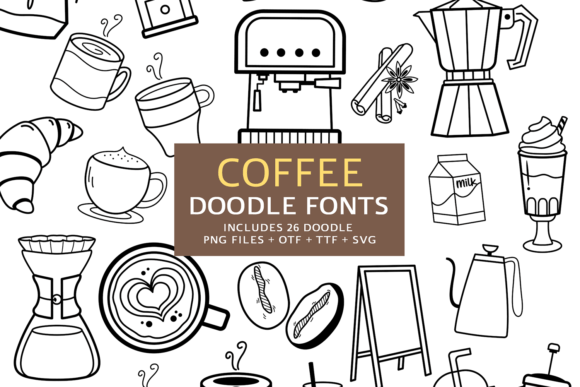
What sets this creative font apart is its specific visual language. Each glyph—a steaming mug, a coffee bean, a latte art swirl—is rendered with a playful, slightly imperfect hand-drawn style. This aesthetic avoids the cold, sterile feel of generic clip art. Instead, it feels personal, artisanal, and inviting. The illustrations are designed to work together harmoniously, ensuring that when you use multiple symbols, they share a consistent line weight and character, which is crucial for professional-looking designs.
This consistency is a designer's dream. It means you can build a cohesive visual story around a single, charming theme. Whether you're aiming for a whimsical, retro, or simply friendly vibe, the unified style of the illustrations helps maintain a clear brand identity across different applications. Think of it as a dedicated visual asset library that’s always at your fingertips, ready to add a touch of cuteness without the hassle of sourcing or commissioning individual graphics.
From Screen to Shelf: Where This Font Truly Shines
The real value of a specialized display font like this lies in its practical application. It’s a versatile design asset that can solve specific creative problems across both digital and physical mediums. For small business owners, particularly those in the café, bakery, or lifestyle space, it can become a cornerstone of brand communication.
For Branding & Packaging: Imagine a coffee roaster’s logo featuring a custom Coffee Doodle icon next to the company name. This instantly communicates the product's essence. The same icons can be used on packaging labels, loyalty cards, and takeaway cups, creating a memorable and cohesive unboxing experience that customers will associate with quality and care.
For Digital Marketing & Social Media: Content creators and marketers can use these illustrations to break up text in blog posts, create engaging Instagram story backgrounds, or design eye-catching Pinterest graphics. A series of social media posts using these doodles as consistent visual elements can significantly boost brand recognition and audience engagement, making your feed look polished and intentionally designed.
For Print & Merchandise: The applications extend beautifully into print. Consider a greeting card line where each card features a different coffee doodle. Or think about merchandise like tote bags, mugs, and notebooks for a brand. Using a licensed commercial font for these items ensures your designs are both unique and legally sound for selling.
Making It Work: Practical Tips for Integration
Simply having a great font isn't enough; knowing how to use it effectively is key. Here’s how to integrate a specialty dingbats font into your workflow for maximum impact.
- Pair with Purpose: The illustrations are the star, so they need the right supporting cast. Pair them with a clean, highly readable sans serif font for body text or a complementary serif font for headings. Avoid pairing with other overly decorative or handwritten fonts, as this can create visual clutter and reduce readability.
- Test for Context: Always test how the icons look at the size they’ll be used. A tiny doodle on a website favicon will lose detail, while a massive one on a poster might reveal imperfections. Check clarity on both screen and print proofs.
- Think in Systems: Don’t just use one icon randomly. Create a system. Maybe one doodle is your primary logo mark, others are for section breaks in a brochure, and another set is used as bullet points on a website. This systematic approach reinforces brand identity.
- Licensing is Key: Before using any font for commercial projects—whether it’s for a client, a product you sell, or marketing materials—always review the licensing terms. A premium font typically includes a license that permits commercial use, but it’s your responsibility to understand the specifics, such as the number of users or projects covered.
Ultimately, a font like Coffee Doodle is a tool for visual storytelling. It allows designers, entrepreneurs, and hobbyists to bypass generic imagery and communicate a specific, relatable emotion. In a crowded digital landscape, that kind of authentic, handcrafted touch can make your project stand out, connect with your audience on a human level, and leave a lasting, positive impression. It’s a small design choice that can contribute significantly to a professional and engaging presentation.