Sibling: The Handwritten Font That Feels Like a Warm Hug
There's a particular kind of magic in a handwritten note—the slightly uneven letterforms, the natural flow of ink on paper, the unmistakable sense that a real person poured their heart into every word. That warmth is increasingly rare in our digital-first world, yet it's exactly what audiences crave when they encounter a brand, invitation, or piece of creative work. Enter Sibling, a charming handwritten display font designed to bridge the gap between digital precision and human emotion. It doesn't just display letters; it tells a story, inviting readers to slow down and feel something genuine.
A Typeface with Personality Built In
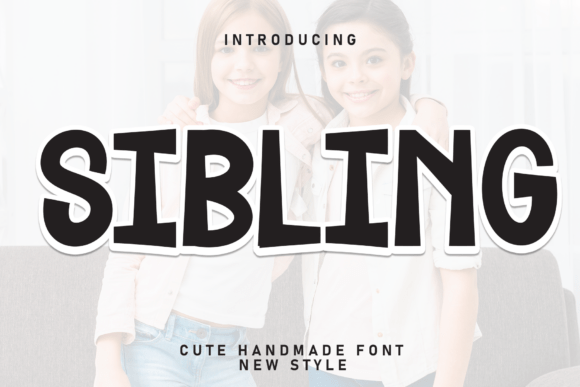
What sets Sibling apart from the hundreds of script and handwritten fonts flooding design marketplaces? It comes down to authenticity. Many handwritten typefaces feel either too polished—losing the organic touch entirely—or too rough, sacrificing legibility for stylistic flair. Sibling threads that needle beautifully. Its letterforms carry a playful bounce and gentle irregularity that mimic real handwriting without descending into chaos. The baseline sways just enough to feel natural, while consistent x-heights and thoughtful spacing keep words readable even at smaller sizes.
The font ships with a generous set of alternates and ligatures, giving designers the freedom to customize letter combinations so repeated characters never look identical. This is a subtle but powerful detail. When every "o" or "e" looks slightly different, the resulting text feels hand-lettered rather than typeset. For anyone working on branding or packaging design, that distinction can be the difference between a product that blends in and one that stops someone mid-scroll or mid-aisle.
Where Sibling Truly Shines: Real-World Applications
Understanding where a creative font performs best helps you decide whether it belongs in your design toolkit. Sibling's warmth and readability make it remarkably versatile, but certain applications let its personality truly come alive.
Wedding Invitations and Event Stationery
This is perhaps the most intuitive fit. Invitations set the tone for an entire event, and Sibling's heartfelt elegance communicates intimacy and celebration without feeling stuffy. Pair it with a clean serif font for body text and you have an invitation suite that feels both personal and polished.
Brand Identity and Logo Design
Small businesses—especially those in lifestyle, wellness, food, or artisan spaces—often struggle to convey approachability through typography. A stiff sans serif can feel corporate; an overly ornate script can feel impractical. Sibling occupies that sweet spot. A bakery, a boutique candle maker, or a children's clothing line could build an entire visual identity around this typeface, using it for logos, taglines, and accent text while pairing it with a neutral sans serif for longer copy.
Packaging Design
Shelf presence matters. When a consumer scans a crowded retail display, packaging that feels human and inviting draws the eye. Sibling works beautifully on labels, hang tags, and box designs—particularly for products that emphasize craftsmanship or small-batch quality. Its handwritten character signals that a real person cares about what's inside.
Social Media Graphics and Digital Content
Instagram quotes, Pinterest pins, YouTube thumbnails, and TikTok overlays all benefit from typography that feels personal rather than corporate. Sibling brings an instant warmth to these formats, helping content creators and marketers stand out in algorithm-driven feeds where authenticity wins engagement. Because it remains legible at various sizes, it performs well across both mobile and desktop viewing.
Website Headers and Blog Design
Used sparingly—as a headline font, pull-quote style, or accent element—Sibling adds personality to web design without undermining readability. Bloggers and content creators can use it for article titles or featured section headers to create visual hierarchy that guides the reader's eye and reinforces brand voice.
Print Materials, Posters, and Merchandise
From tote bags and mugs to event posters and thank-you cards, Sibling translates well to physical products. Its charm holds up in screen printing, embroidery digitization, and standard offset printing, making it a practical choice for entrepreneurs expanding into merchandise.
Practical Tips for Working with a Handwritten Display Font
Choosing a beautiful font is only half the equation. Using it effectively requires a bit of strategy. Here are some grounded recommendations for getting the most out of Sibling—or any premium handwritten typeface—in your projects.
Pair Thoughtfully
Handwritten display fonts work best when they're not carrying the entire typographic load. Pair Sibling with a straightforward serif or sans serif for body copy, captions, and functional text. A geometric sans serif creates a modern contrast; a classic serif adds sophistication. Test several combinations before committing, and always check how they look together at actual project sizes—not just zoomed in on your monitor.
Respect Readability
Display fonts are designed for impact, not paragraphs. Use Sibling for headlines, short phrases, names, and accent text. Avoid setting entire paragraphs in any script or handwritten font; it fatigues the eye quickly and undermines the very warmth you're trying to create. A good rule of thumb: if a line exceeds eight to ten words, consider switching to a more neutral typeface.
Explore the Included Styles and Alternates
Before starting a project, spend time reviewing every glyph, alternate, and ligature the font offers. Sibling's alternates are one of its strongest features, and discovering them early prevents you from settling for default letterforms when a simple swap could make your design feel more bespoke. Many designers overlook this step and miss opportunities to elevate their work with minimal effort.
Test Across Mediums
A font that looks stunning on screen can sometimes behave differently in print—and vice versa. If your project involves both digital and physical outputs, test Sibling in both contexts. Check ink spread on textured paper, verify screen rendering on different devices, and ensure that the character you love at large sizes doesn't dissolve into illegibility at smaller ones.
Understand Licensing
Commercial projects require appropriate licensing. Before using Sibling in client work, merchandise for sale, or any commercial application, confirm that your license covers those uses. Reputable font foundries are transparent about licensing terms, and respecting those terms protects both your business and the type designers whose craft makes beautiful work possible.
Why Thoughtful Typography Still Matters
In an era saturated with templates and auto-generated content, intentional design choices become a competitive advantage. Typography is one of the most immediate ways a brand or project communicates its values. The fonts you choose signal whether your brand feels authoritative, playful, luxurious, approachable, or rebellious—often before a single word is consciously read.
Sibling doesn't try to be everything. It knows exactly what it is: a warm, inviting, joyful handwritten typeface that brings human connection into digital and print design. For designers building brand identities, entrepreneurs crafting packaging, content creators shaping social media presence, or anyone preparing a celebration worth remembering, it offers something increasingly valuable—a genuine sense of personality.
The best design assets don't just look good; they feel right. And sometimes, the right feeling starts with a font that reminds you of a note from someone you love.