Swarthmore: The Handwritten Font That Feels Like a Friend
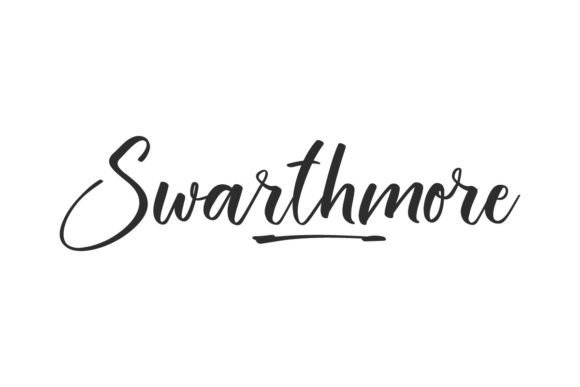
You know that feeling when you’re scrolling through a website or flipping through a magazine, and something just feels… off? Maybe the design is slick, the colors are perfect, but the typography feels cold, corporate, or just a little too perfect. That disconnect often happens when the font choice doesn’t match the human element of the brand or message. Enter a typeface like Swarthmore, a modern handwritten script font designed to bridge that gap. It’s not about mimicking old-world calligraphy or trying to look like a child’s scrawl; it’s about capturing the authentic, relaxed vibe of contemporary handwriting. This font is for the creator, the small business owner, the designer who wants their work to feel approachable and genuinely human, not just visually polished.
A Font with a Relatable Personality
What sets a font like Swarthmore apart in the crowded world of script fonts is its specific blend of casual confidence and modern flair. Its fluid letterforms are carefully crafted to maintain a natural flow without sacrificing legibility—a common pitfall with many handwritten typefaces. The strokes have a comfortable, rhythmic quality, as if written quickly but with care. This gives it a dual personality: it’s relaxed enough for a lifestyle blog’s header, yet structured enough to anchor a logo or packaging design. Think of it as the typographic equivalent of a well-fitting pair of jeans: versatile, comfortable, and right for almost any casual occasion. For a brand, using a font like this can instantly communicate that you’re friendly, approachable, and focused on real connections, rather than just transactions.
From Branding to Packaging: Where This Script Truly Shines
The real test of any premium font is its versatility. A typeface that only works in one narrow context isn’t a good investment. Swarthmore’s strength lies in its adaptability across a surprising range of projects. Let’s break down where its casual elegance can be most effective.
- Brand Identity & Logo Design: For entrepreneurs and small businesses, especially those in creative fields, coaching, or artisanal products, a handwritten font can be the cornerstone of a personal brand. Swarthmore can serve as a primary logo typeface or as a supporting script for taglines, injecting warmth and individuality into brand marks that might otherwise feel generic.
- Packaging and Merchandise: Imagine this font on a coffee bag label, a candle sleeve, or a clothing tag. Its casual elegance suggests craftsmanship and attention to detail. On merchandise like tote bags or mugs, it adds a personal, boutique feel that encourages a connection with the product.
- Digital and Social Media: In the fast-scroll world of social media, stopping power is everything. Using Swarthmore for Instagram story highlights, quote graphics, or sale announcements can make your content feel more personal and engaging. It’s also excellent for website hero sections or blog post titles, especially for lifestyle, fashion, or wellness content.
- Print and Editorial Design: While not suited for long body text, it’s a standout choice for magazine pull quotes, chapter headings in a book, or event posters. Its visual appeal draws the eye without overwhelming the accompanying sans serif or serif font used for the main content.
- Invitations and Marketing Assets: For event invitations, thank you cards, or email newsletter headers, this script font sets a welcoming tone. It’s perfect for any project where the goal is to make the recipient feel personally addressed.
Practical Pairing and Professional Polish
Using a creative font like Swarthmore effectively is about more than just liking how it looks in isolation. The key to professional presentation lies in thoughtful pairing and context. A common mistake is pairing a script font with another highly decorative font, which creates visual chaos. Instead, balance is everything. Swarthmore’s handwritten nature makes it a natural partner for clean, neutral sans serif fonts (like Lato, Open Sans, or Montserrat) or classic, readable serifs (like Georgia or Merriweather). This contrast allows the script to be the star for headlines and accents while the supporting font handles the heavy lifting of paragraph text, ensuring overall readability.
Before committing to any font for a major project, always test it. Type out the specific words you’ll use most—your business name, key headlines, your address. Check the spacing between letters (kerning) and how the letters connect. Does the flow feel natural? Does it remain legible at the size you’ll use it? Review all the included font styles; a good premium font often comes with alternates, ligatures, or stylistic sets that can add unique flair to your designs. Finally, never overlook the licensing. Ensure the commercial license covers your intended use, whether it’s for a client project, merchandise for sale, or digital products. This due diligence protects you and respects the work of the type designers.
Building Recognition with Authentic Typography
Ultimately, the typography you choose is a silent ambassador for your brand or project. A font like Swarthmore does more than just display words; it conveys a mood and a set of values. By consistently using a typeface that aligns with your brand’s personality—whether that’s friendly, creative, modern, or approachable—you build a layer of visual consistency that strengthens brand recognition. Your audience starts to associate that specific visual style with your content, making your work instantly recognizable even before they read the words. In a digital landscape saturated with generic templates, investing in a thoughtful, character-driven typeface is a practical step toward making your designs stand out effortlessly, not through loudness, but through authentic connection. It’s about choosing a visual voice that sounds like you.