Yummy: The Handwritten Font That Adds Instant Personality
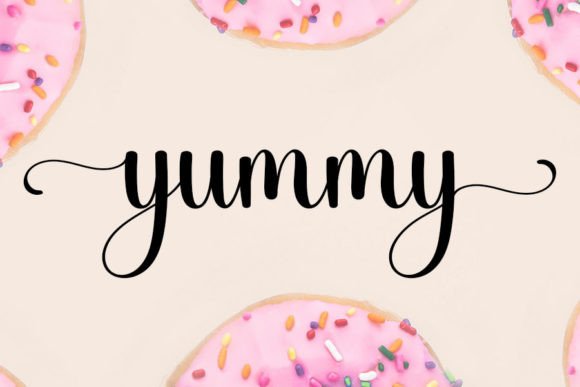
There’s a reason handwritten fonts never go out of style. In a digital world full of crisp, geometric sans-serifs and perfectly spaced serifs, there’s something deeply human about a typeface that mimics the natural flow of pen on paper. Yummy is a simple handwritten font that captures this feeling beautifully. It’s not trying to be overly fancy or impossibly intricate—it’s just authentically, delightfully handwritten. And that simplicity is precisely what makes it so versatile and appealing for such a wide range of projects.
Yummy’s charm lies in its balanced, legible strokes. It avoids the common pitfalls of script fonts that sacrifice readability for flair. Each letter feels carefully crafted to maintain a natural rhythm without becoming chaotic. The result is a typeface that feels personal and approachable, yet clean enough for professional use. Whether you’re designing a logo for a new café, creating social media graphics for a lifestyle brand, or putting together invitations for a milestone celebration, Yummy brings a warmth and authenticity that’s hard to replicate with more rigid typefaces.
Where Yummy Truly Shines: Practical Applications
The real test of any font is how well it performs across different mediums. Yummy’s versatility is one of its strongest assets. Let’s look at some concrete ways you can put this font to work.
Branding and Logo Design: For small businesses, especially those in the food, wellness, artisan, or boutique sectors, Yummy can form the cornerstone of a brand identity. Imagine a bakery logo where the name is set in Yummy—it immediately communicates handmade quality and care. Paired with a clean sans-serif for supporting text, it creates a balanced and memorable visual identity. This kind of thoughtful font pairing is key to building brand recognition.
Packaging and Product Labels: On packaging, Yummy can help tell a product’s story. Think of a jam jar label, a candle box, or a cosmetic product line. Using Yummy for the product name or a short, evocative phrase adds a tactile, crafted feel that resonates with consumers looking for authenticity. It works exceptionally well on kraft paper, matte finishes, and other textures that complement its organic style.
Digital Presence and Marketing: Online, Yummy is perfect for grabbing attention without feeling aggressive. Use it for: * Social Media Graphics: Create engaging quotes, call-to-action overlays, or story highlights that feel personal and relatable. * Website Elements: It can be effective for hero sections, blog post titles, or specific callouts on a webpage, especially when used sparingly for impact. * Email Headers: Add a touch of personality to your newsletter headers to increase open rates and engagement.
Print and Editorial Design: Don’t limit Yummy to the screen. It translates beautifully to print. Consider it for: * Invitations and Greeting Cards: Wedding invitations, party invites, or thank-you cards gain a heartfelt touch. * Poster and Flyer Design: For events, workshops, or local promotions, Yummy can make headlines feel more welcoming and community-oriented. * Editorial Layouts: In magazines or lookbooks, use it for pull quotes, chapter titles, or featured product names to break up the monotony of body text.
Making Yummy Work for Your Brand: Practical Tips
Choosing the right font is only half the battle. Using it effectively is what sets a professional design apart. Here’s how to get the most out of Yummy.
1. Mind the Context and Pairing: Yummy is a display font. It’s meant for headlines, logos, and short bursts of text—not for long paragraphs. Its strength is in its personality, so pair it with a highly legible serif or sans-serif font for body copy. A classic combination might be Yummy for headings with a font like Open Sans, Lato, or a simple serif like Lora for the main text. This contrast ensures your design is both engaging and easy to read.
2. Prioritize Readability: Always test your designs at different sizes. What looks charming on a large poster might become illegible on a small business card. Check letter spacing, especially in all-caps settings, and ensure the font remains clear on various backgrounds and devices. A quick print test can save you from costly reprints.
3. Explore the Font’s Full Potential: A quality premium font like Yummy often comes with more than just basic uppercase and lowercase letters. Check for alternate characters, ligatures, and stylistic sets. These features can add subtle variations that make your text look even more naturally handwritten and unique, helping you avoid that “template” look.
4. Align with Your Project’s Voice: Ask yourself: does the personality of Yummy match the message? It’s perfect for projects that aim to feel friendly, approachable, organic, creative, or personal. It might be less suitable for corporate finance reports or highly technical documentation where a more neutral, authoritative typeface is required. Understanding this alignment is crucial for effective visual communication.
5. Understand the Licensing: If you’re using Yummy for commercial projects—which includes anything for a business, client work, or products you sell—ensure you have the correct commercial license. This is a critical step for any designer or entrepreneur. Reputable font marketplaces provide clear licensing information, so you can use the font with confidence, whether it’s for a single logo or a full suite of marketing materials.
Beyond the Font: Building a Cohesive Visual Language
Ultimately, a font like Yummy is more than just a design asset; it’s a tool for building a cohesive visual language. When used consistently across your touchpoints—your website, social media, packaging, and print materials—it becomes a recognizable element of your brand identity. This consistency builds trust and professionalism with your audience.
Think of Yummy not as a standalone solution, but as a key player in your typographic toolkit. Its ability to add a simple, natural feel is its superpower. By pairing it thoughtfully, applying it strategically, and using it to reinforce your brand’s unique voice, you transform a simple handwritten font into a powerful connector between your project and your audience. It’s this human touch, this whisper of the personal in a digital landscape, that often makes the most lasting impression.