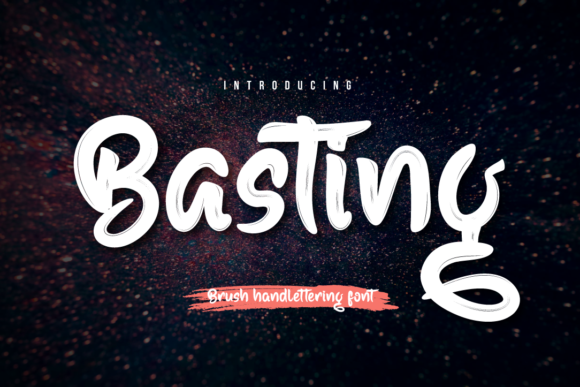
Basting: The Handwritten Font with a Natural Flow
A Typeface That Captures Handmade Energy
From Packaging Shelves to Social Feeds: Real-World Applications
- Social Media Graphics: Use it for quotes, announcements, or sale graphics. Its handwritten style stops the scroll and feels more personal than a standard sans-serif.
- Website Elements: Apply it to hero section headlines, call-to-action buttons, or blog post titles to inject personality into your site's design.
- Branding & Logo Design: It’s an excellent choice for logos for cafes, boutiques, lifestyle blogs, or any business that wants to feel approachable and human.
- Print Materials: From wedding invitations and event posters to business cards and thank-you notes, it adds a bespoke, crafted feel.
- Merchandise & Apparel: The brush font style translates well to T-shirt designs, tote bags, and mugs, giving products a trendy, artistic vibe.
Pairing Basting with Other Fonts for Professional Polish
- Use Basting for your main headline or logo, then set your subheadings or body text in a straightforward sans-serif like Open Sans, Lato, or Montserrat. This creates a clear hierarchy.
- For a more traditional or editorial feel, you could pair it with a readable serif like Merriweather or Playfair Display for body copy.
Practical Tips for Using a Handwritten Font Effectively
Readability is Paramount. While the font is beautiful, its primary job is to be read. Avoid using it for long blocks of text or at very small sizes where the brush details can become muddy. Test it at the size it will be viewed—on a phone screen, a printed poster, or a product label.
Review All the Included Styles. Many premium fonts come with more than just the standard letters. Look for uppercase and lowercase versions, numbers, punctuation, and especially stylistic alternates. These extra glyphs are what allow you to fine-tune the look, making sure a particular word doesn’t have two letters that clash awkwardly.
Understand the License. This is crucial for commercial work. Whether you're a freelance designer creating for a client or a business owner using it for your own brand, confirm that the font’s license covers your intended use. Most premium fonts have clear commercial licenses, but it’s your responsibility to check. Using a font incorrectly can lead to legal headaches down the line.
Finally, match the font to your project's voice. Ask yourself: Does this handwritten style align with the personality of my brand or the story I’m telling? A brush font is perfect for a surf shop or a bakery, but might feel out of place for a law firm or a fintech startup. The goal is visual consistency—every element of your design should tell the same story.